

Portals
Notes from Cill Rialaig: surviving solitude, finding standing stones, and making art at the edge of the Atlantic

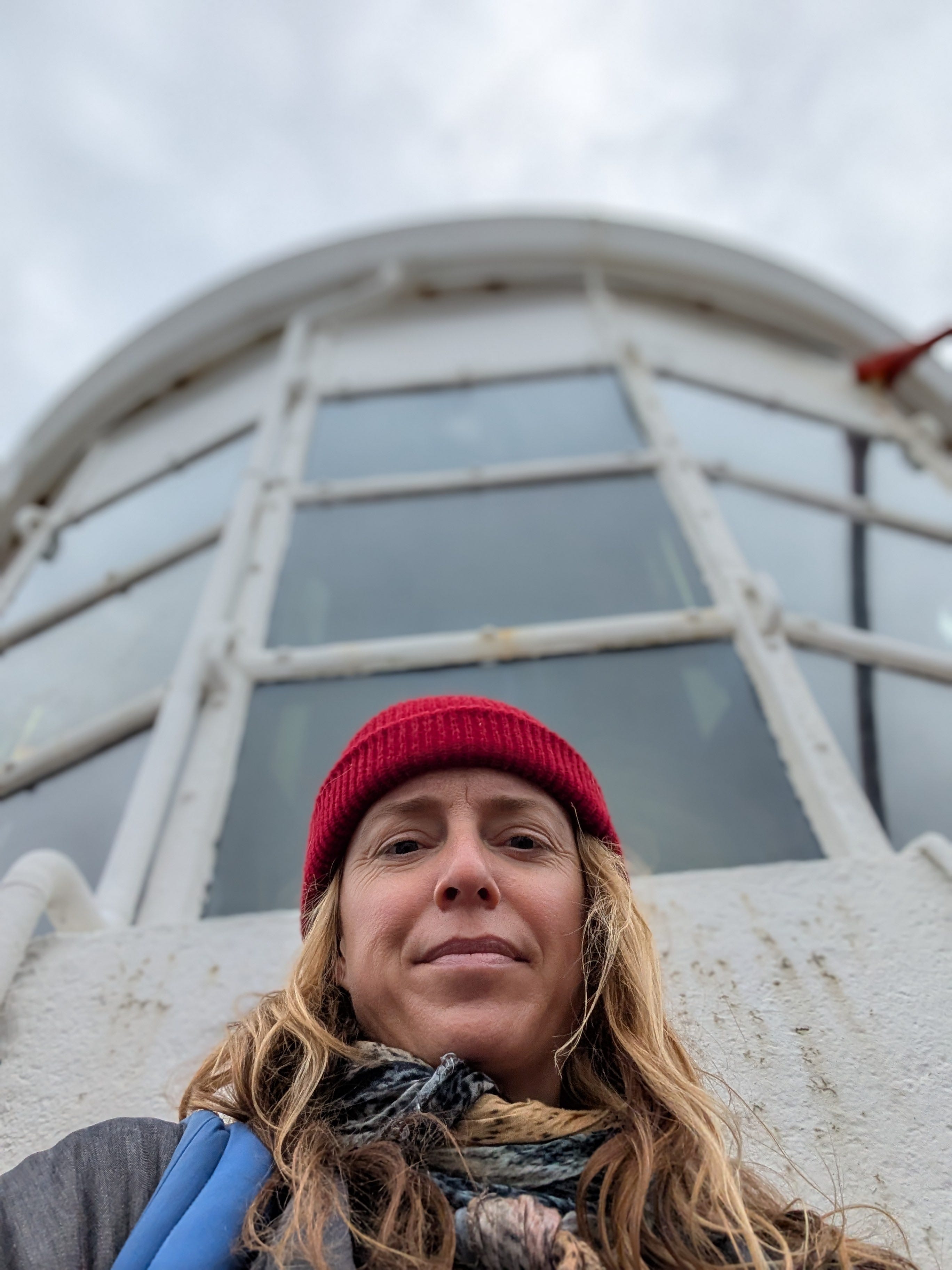
I collapsed into my compact rental car just in time. It was raining — again — and my mom had just texted to ask: “how’s it going so far?” I could barely hold back tears as I hustled through the sparse parking lot of the Valentia Island Lighthouse. I had completed my turn through the historic lighthouse, where I practiced Morse code, perused the preserved bedrooms of bygone keepers of the light, and took selfies to try to manufacture some semblance of happiness. None of it worked.
Things were not alright. A family clambered into the car next to me, the father of the bunch peering through the driver side window with his fatherly brand of concern. I let myself unravel. Take a look, I thought. See me cry. I typed out a response to my mother. It would be morning there. I hit her with the truth and told her how disconnected I felt. When I pressed send, I was afraid she might tell me to come home, because I probably would have listened.
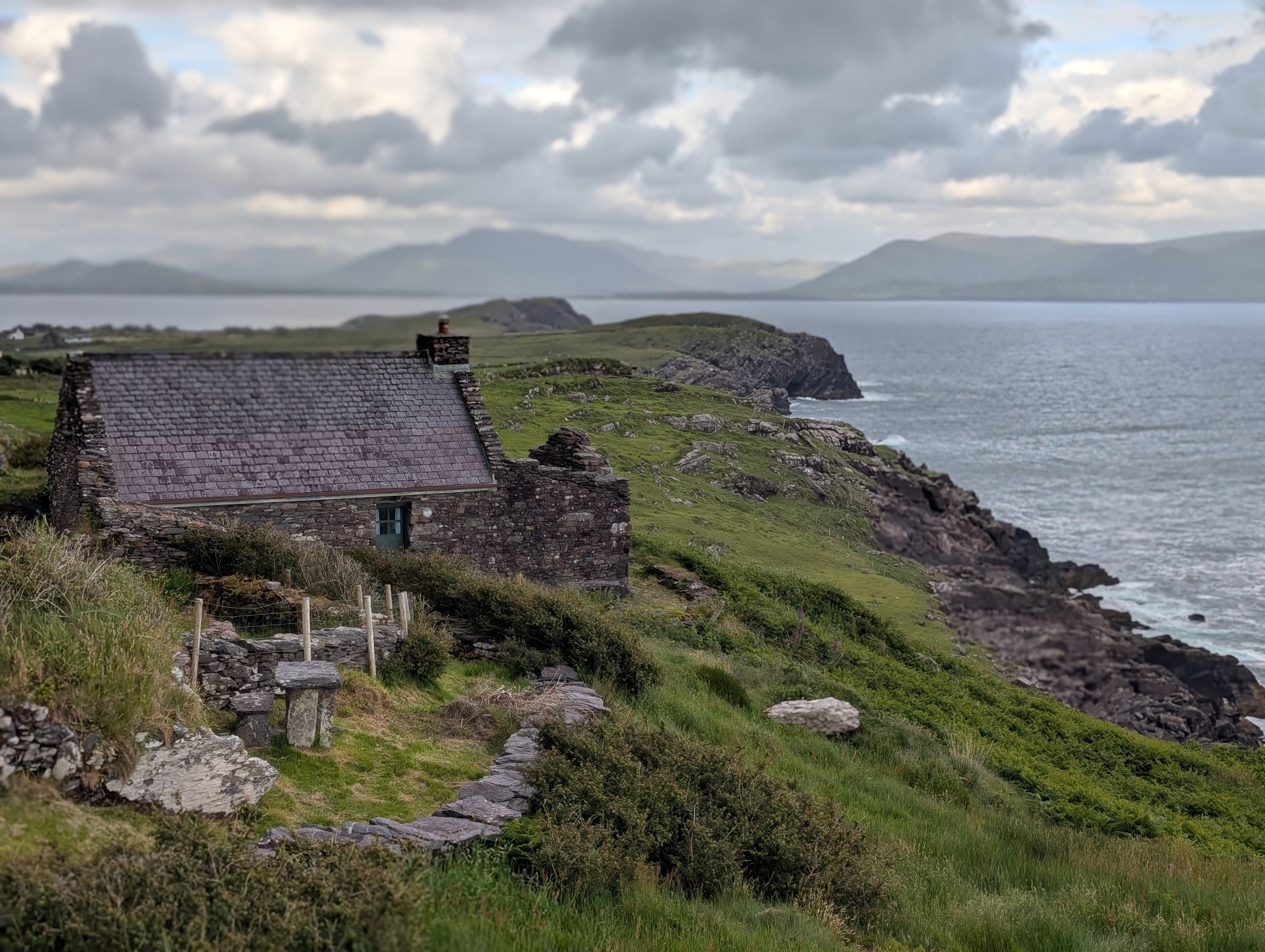
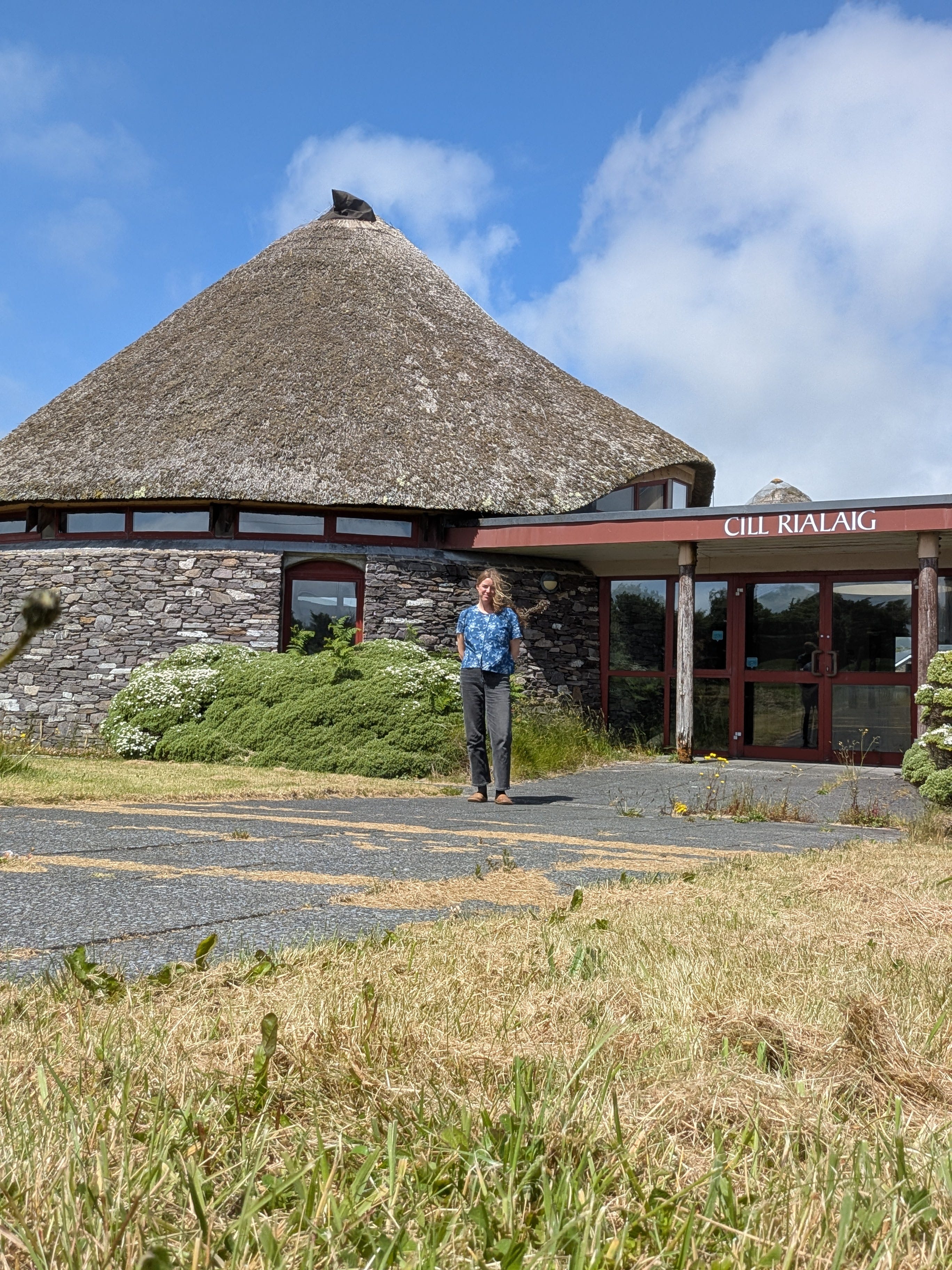
I had so far spent one day at the Cill Rialaig artist retreat off the Ring of Kerry in Ireland, struggling deeply with feeling isolated, homesick, and questioning what the hell I was doing so far from my home on Salt Spring Island. An ocean and a continent away, if you go the fast way.
I knew what I was supposed to be doing: working on my first fiction novel, and initiating a new series of textile work using botanicals collected from the Kerry countryside. But my first day had yielded no writing. Instead, I paced my artist residence — cottage #4, on the lower bluffs of Bolus Head, laid bare to the full fury of the whistling Atlantic, which lashed the land with intense wind and rain.
The howl of the sea woke me up at 3am. Jet lag.
At 4am, regret rolled in.
By 5am, I was drowning in panic.
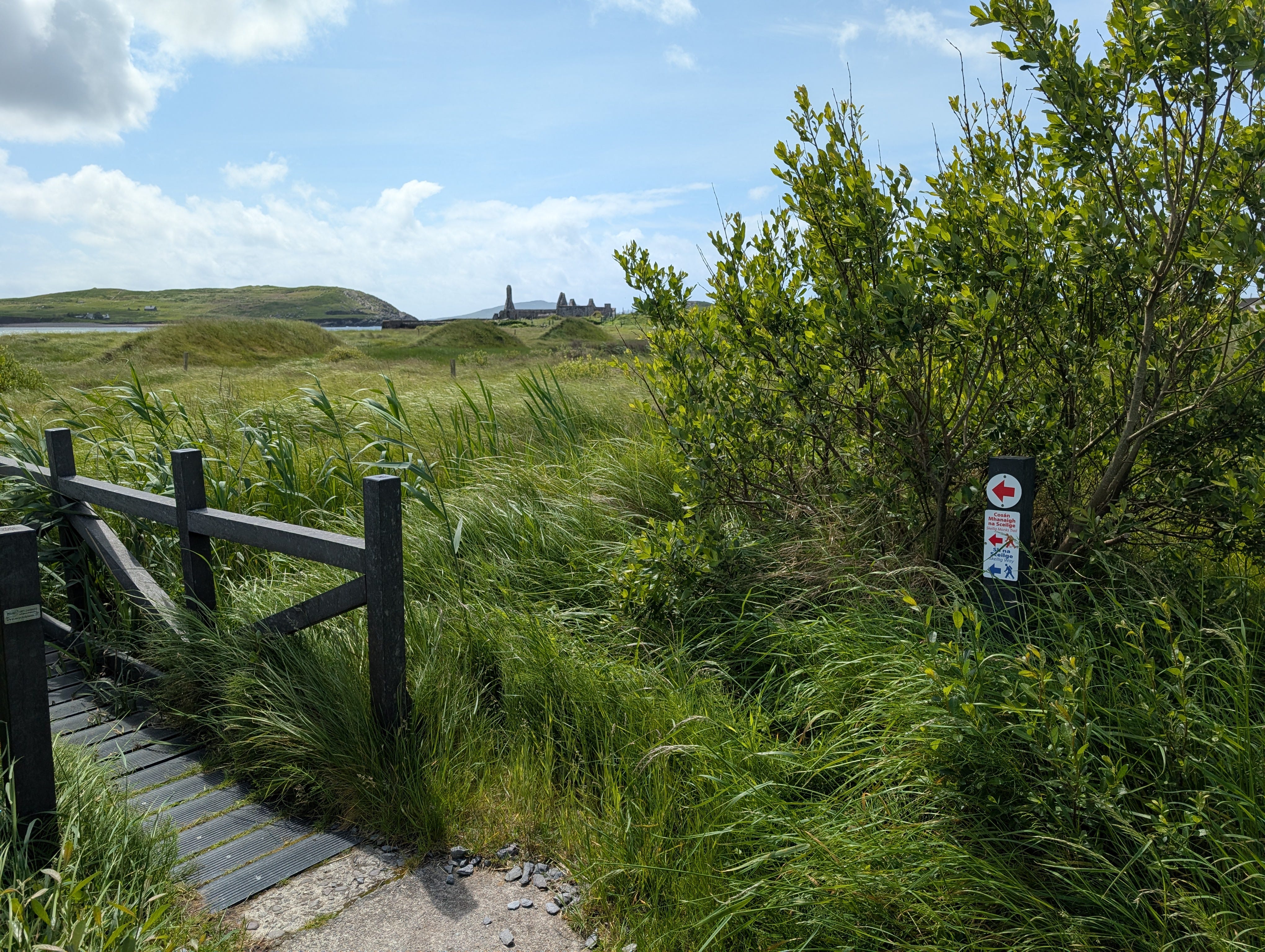
Earlier that first day, not far from my cottage in Ballinskelligs Bay, an old abbey stood at the far end of the beach. During a brief few hours of sunshine and respite from the rain, I picked my way through a winding seaside trail to reach the ruins, stepping politely over gravestones. Constantly scanning for botanicals, my eyes quickly became attuned to the landscape, which was nothing short of extraordinary. In early June, wild weeds and roadside ferns were alive and in bloom, offering glimpses of the colours they might become once pressed into the linen and canvas I had brought for eco-printing.
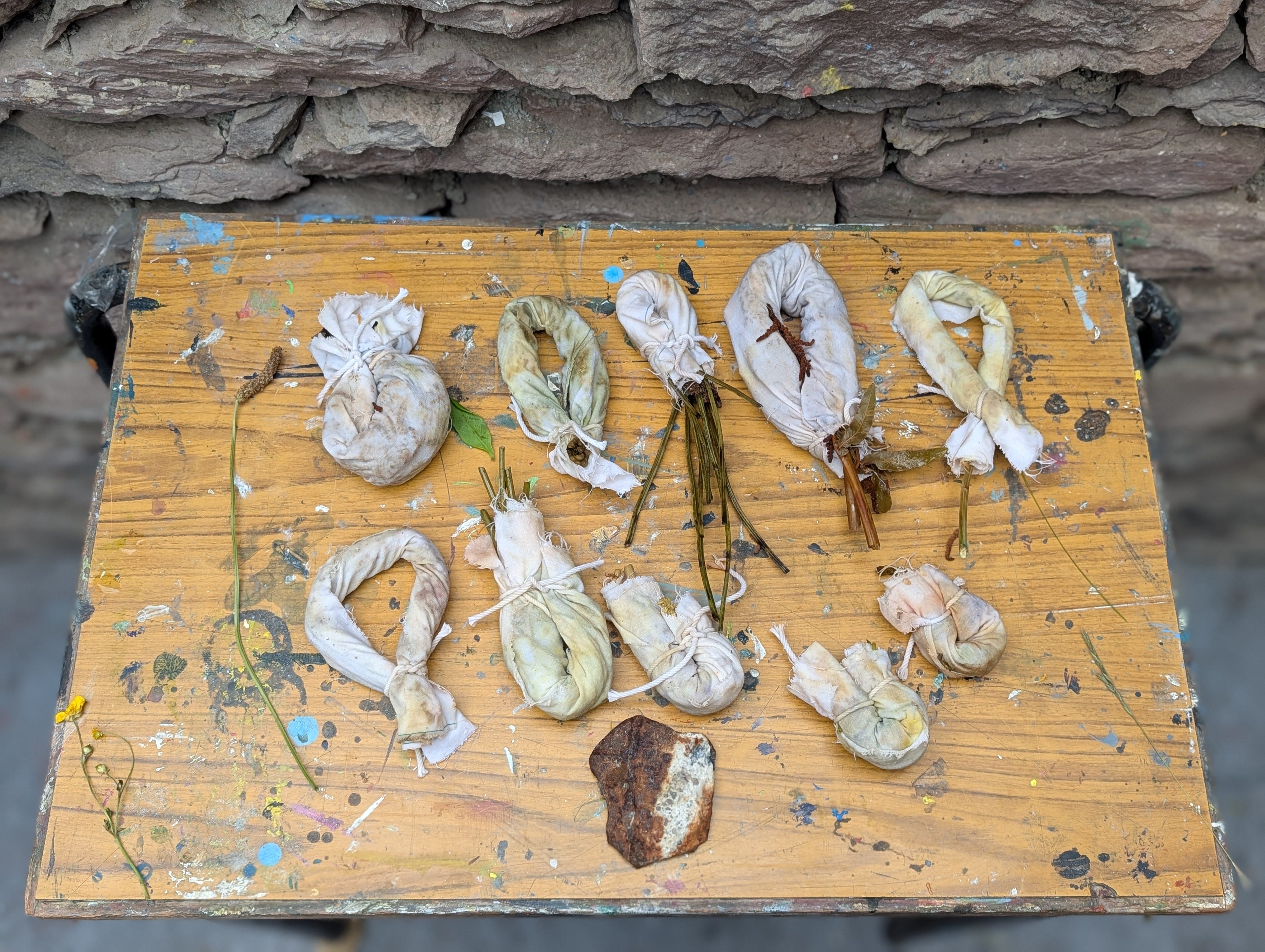
I busied myself with bundling botanicals into swatches of linen that first night, and wrote no pages. I listened to music, blasting through my data plan with no remorse, and wrote no pages. I hung up pictures drawn by my children, and wrote no pages. I stared at the blank wall in front of me, arranged the recipe cards that represented the spine of my book across the large work table, and still wrote no pages.
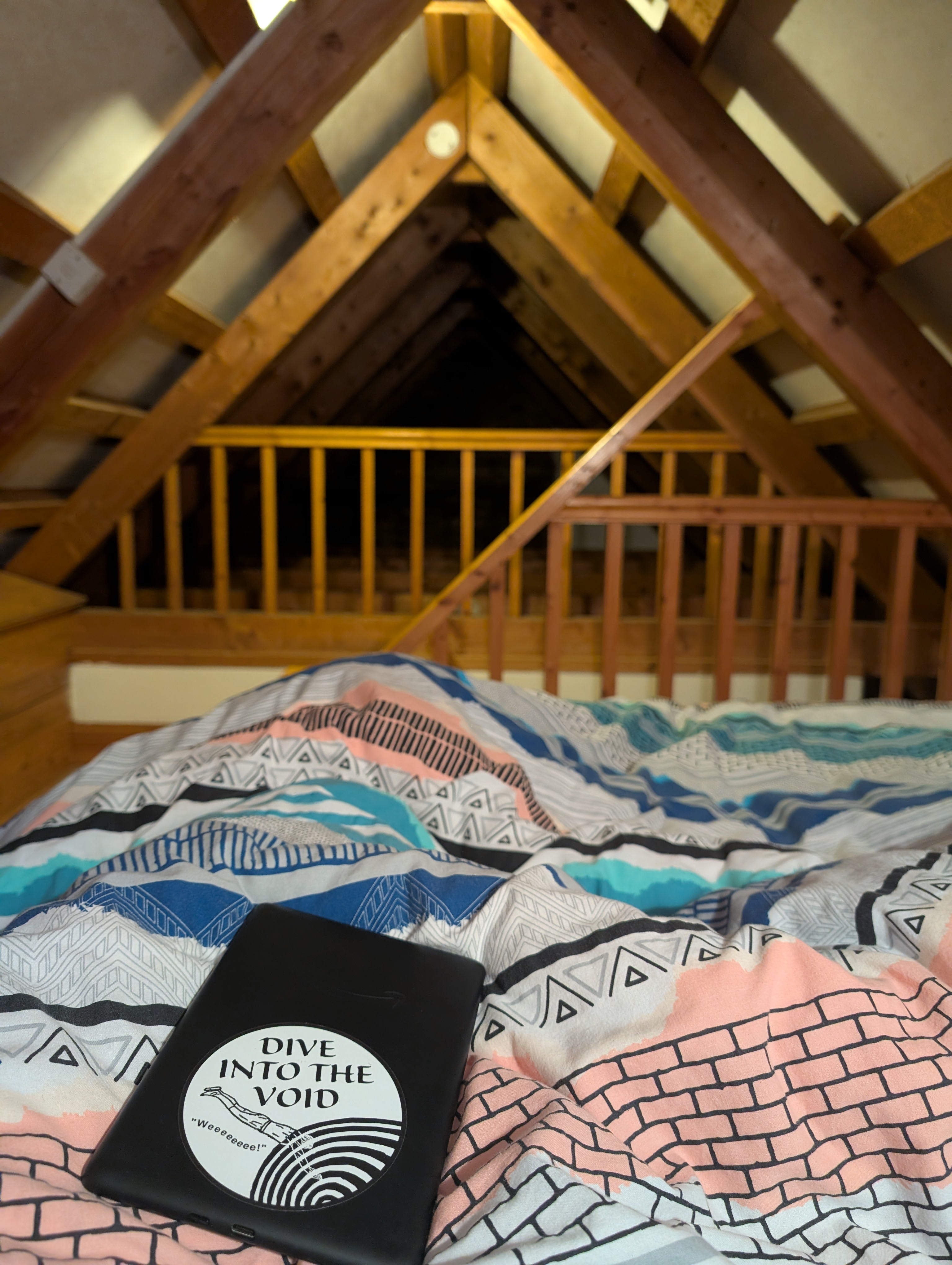
By the time I climbed up the loft stairs and into bed, I was consumed by fear. What if something happened to me during this trip, or my kids needed me and I wasn’t there? Or, even more unbearable: what if, in my absence, everyone got along just fine without me?
These questions were not new to me. I survived cancer, and thought I had come to terms with my mortality. Those terms lasted ever so briefly. Ever since getting back to normal, the glimmer of peace I had briefly found with the universe became increasingly elusive — until it reversed upon itself entirely, leaving me paralyzingly afraid of what I would leave behind: my kids, my husband, my family. Untenable losses.
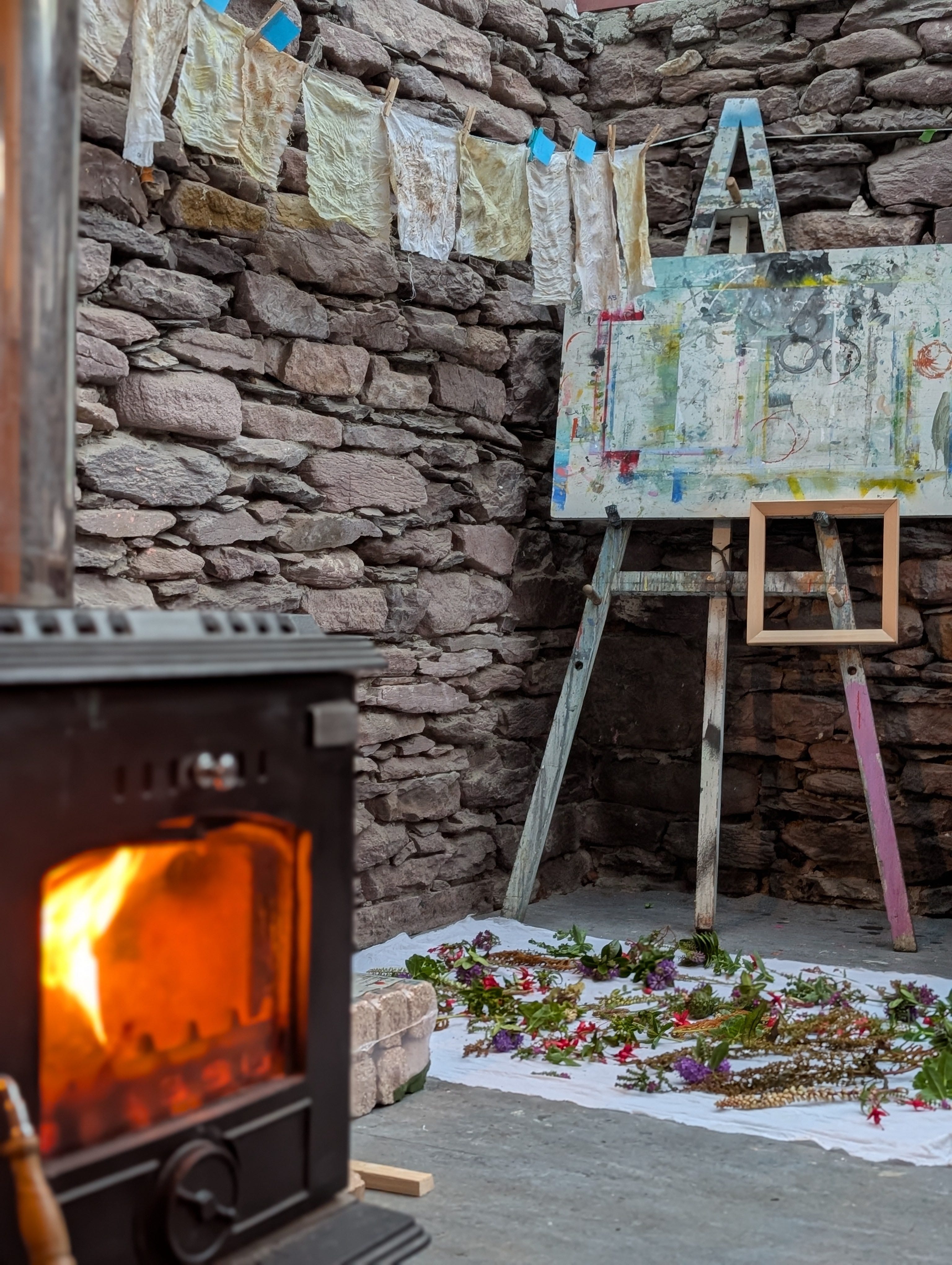
I knew I was coming to a rustic cottage on the edge of the Atlantic. I knew I would be a little nervous traveling so far, for so long, alone. I addressed that anxiety by making A PLAN — while also knowing I'd be okay abandoning THE PLAN, because I love the freedom to pivot, and having structure to fall back on gives me the confidence to do just that.
What I hadn't fully reckoned with is how the physical process of travel has always been conducive to my creative work. There is something about moving through liminal spaces — airports, hotel rooms, the inside of an airplane — that feels like going through a portal. In the airport we are checked in, scanned, and forced to queue. Amidst the din, we lose our autonomy. Once inside the airplane, time ceases to exist. The cabin lighting cues us to relax, sleep, wake. We trust we will be delivered to our destination safely. We eat when food is delivered, try not to count the hours, and definitely don't think about what time it is back home. We relinquish control. That is step one.
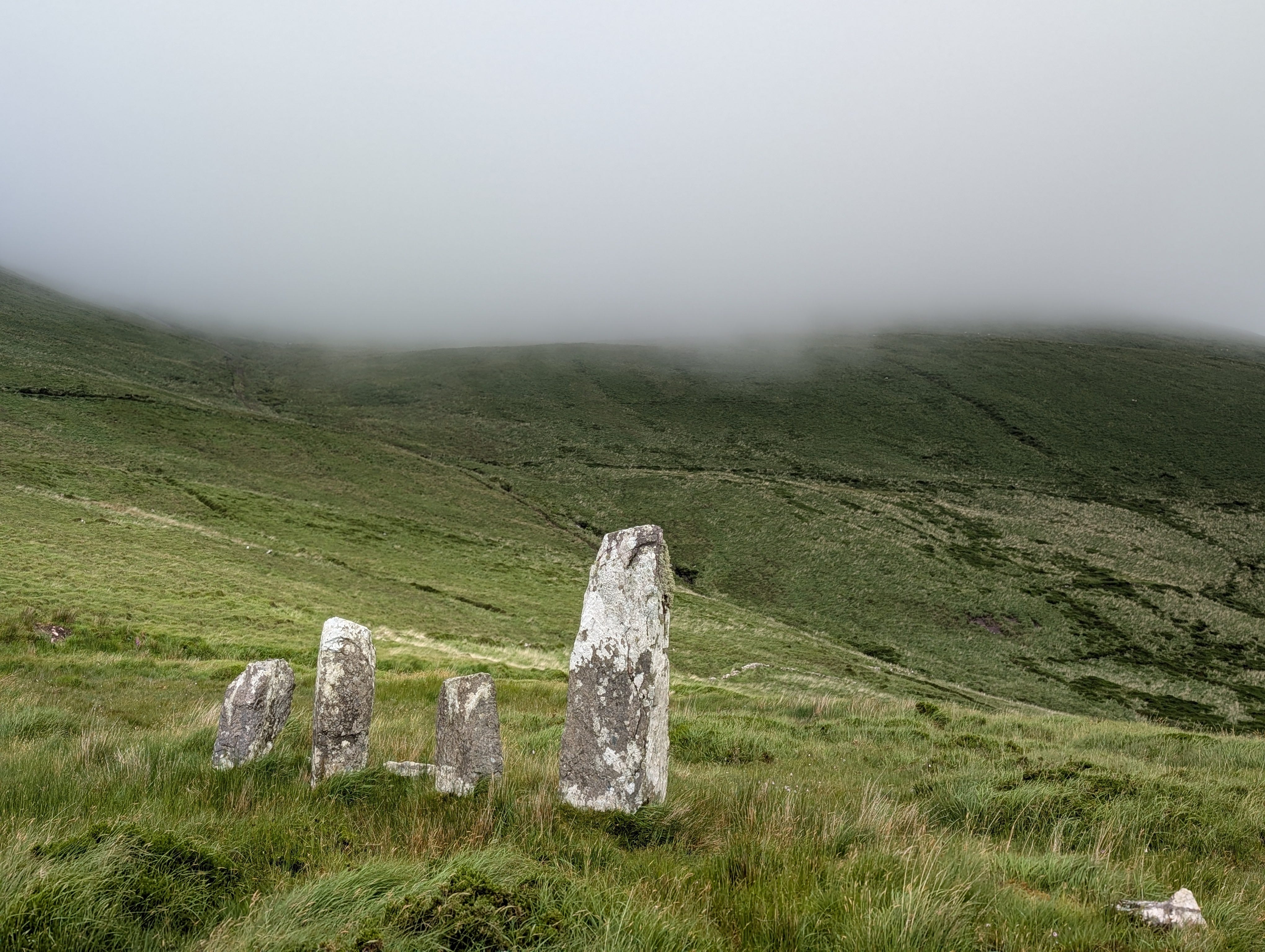
The retreat organizers had warned me to pack layers and extra socks, that the location was rural and isolated. The solitude was the point — I just wasn't prepared for how hard it would be. Everything around reminded me of death. The sea (how many lives have been lost at sea?), the farms (fields of baby lambs, there one day, gone the next), mysterious standing stones, old graveyards, handwritten notes from past residents tucked into the stone walls of the cottage. What, among all of this, lasts?
(Rocks. The answer is rocks.)
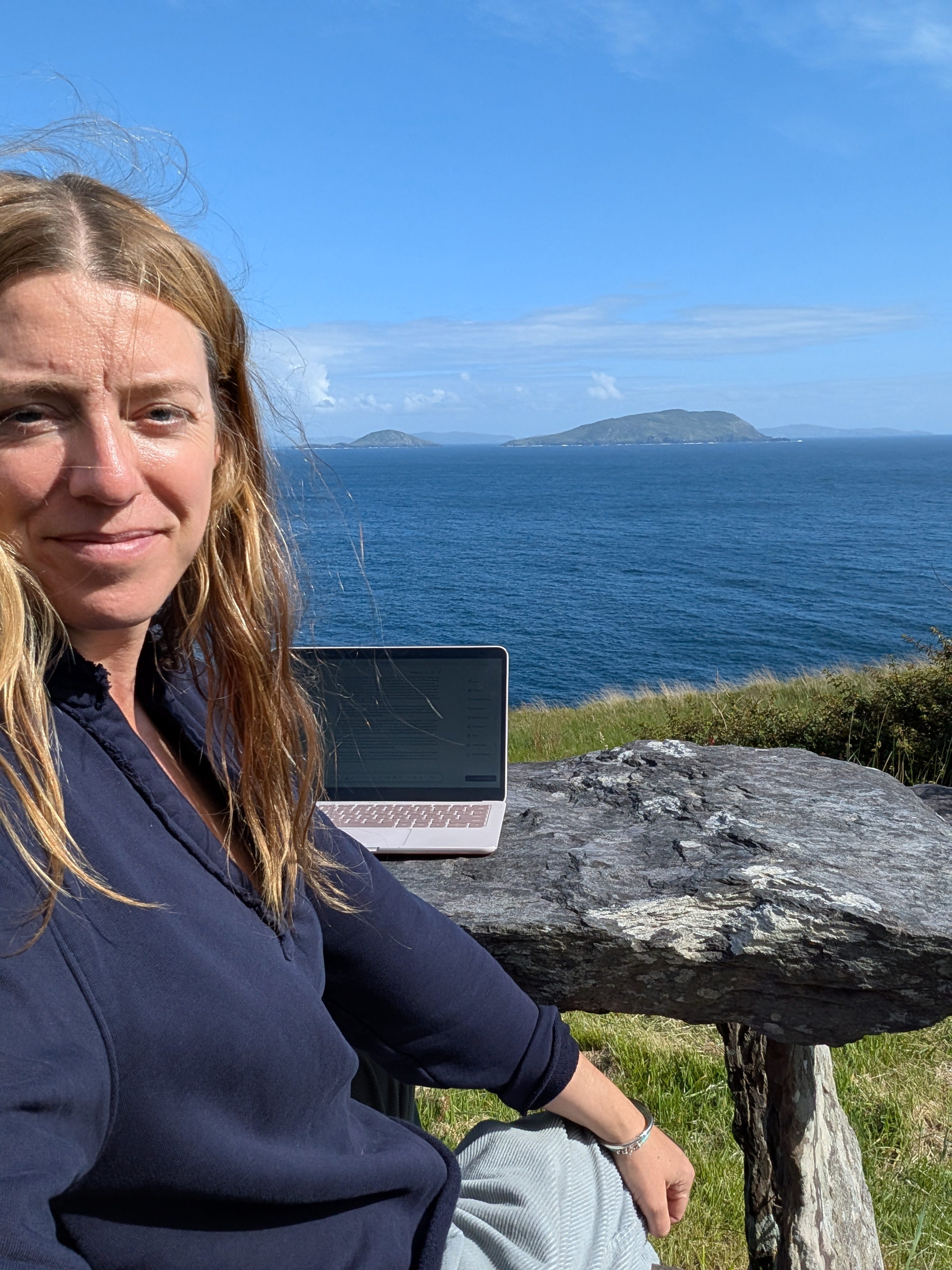
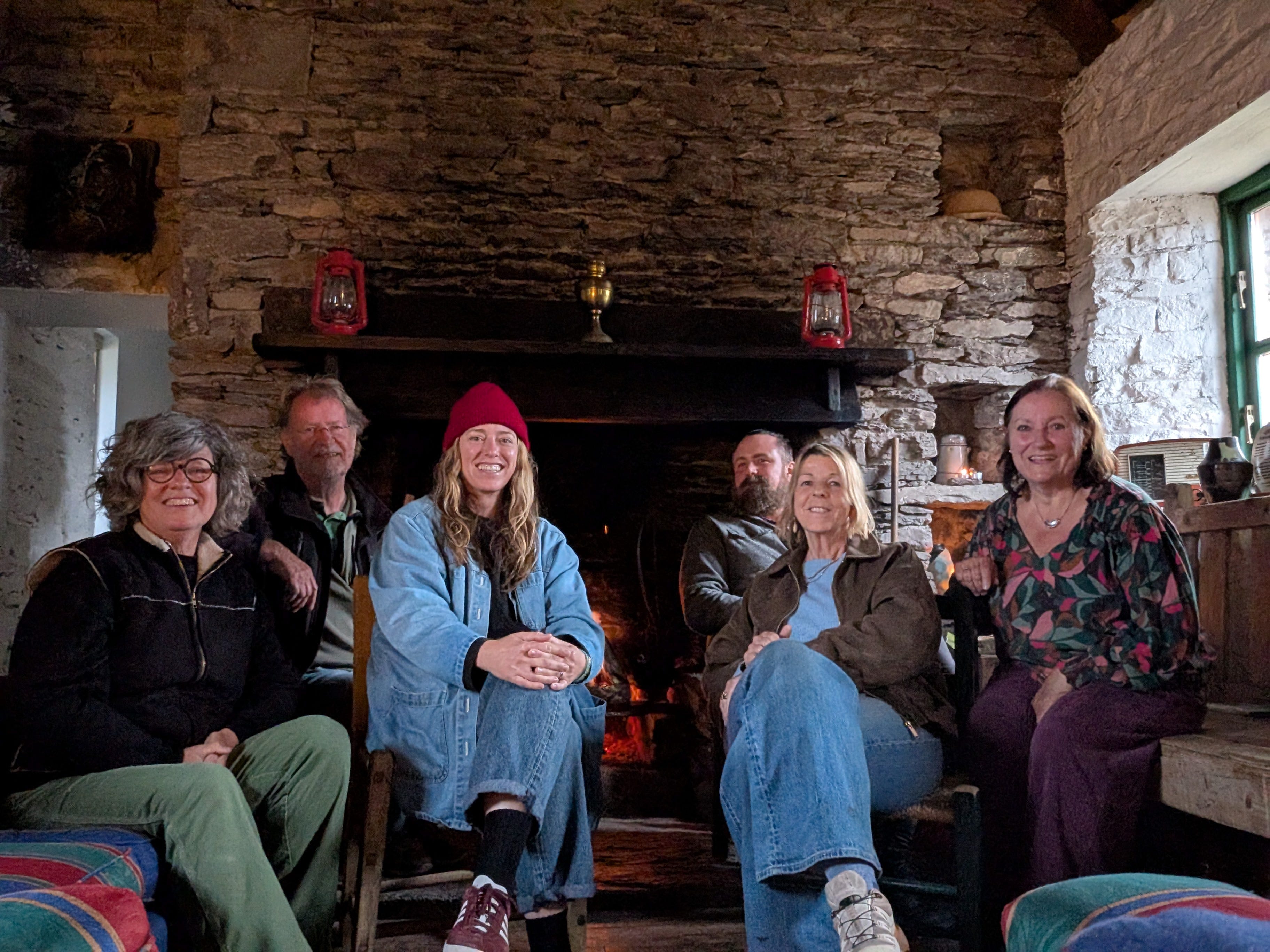
Here’s what got me through all this existential doubt. A scented candle. An Aesop skincare travel kit, a small luxury. Meeting other residents for wine and cheese at Tigh a Comhrá, the Cill Rialaig conversation house. Letting go of my itinerary and daily word count goals, and feeling my feelings instead. Going for a walk when the sun came out. Going for a drive when it rained. Collecting botanicals from the roadside. Pulling into a lay-by when I saw something interesting. Not hurrying. Watching the light dance across the Atlantic. Sitting with my thoughts, even when they were uncomfortable.
After a few days, I connected my own homesickness to the arc of my novel’s central character — and it felt like a breakthrough that couldn’t be measured in a word count tally. It felt like I was exactly where I needed to be.
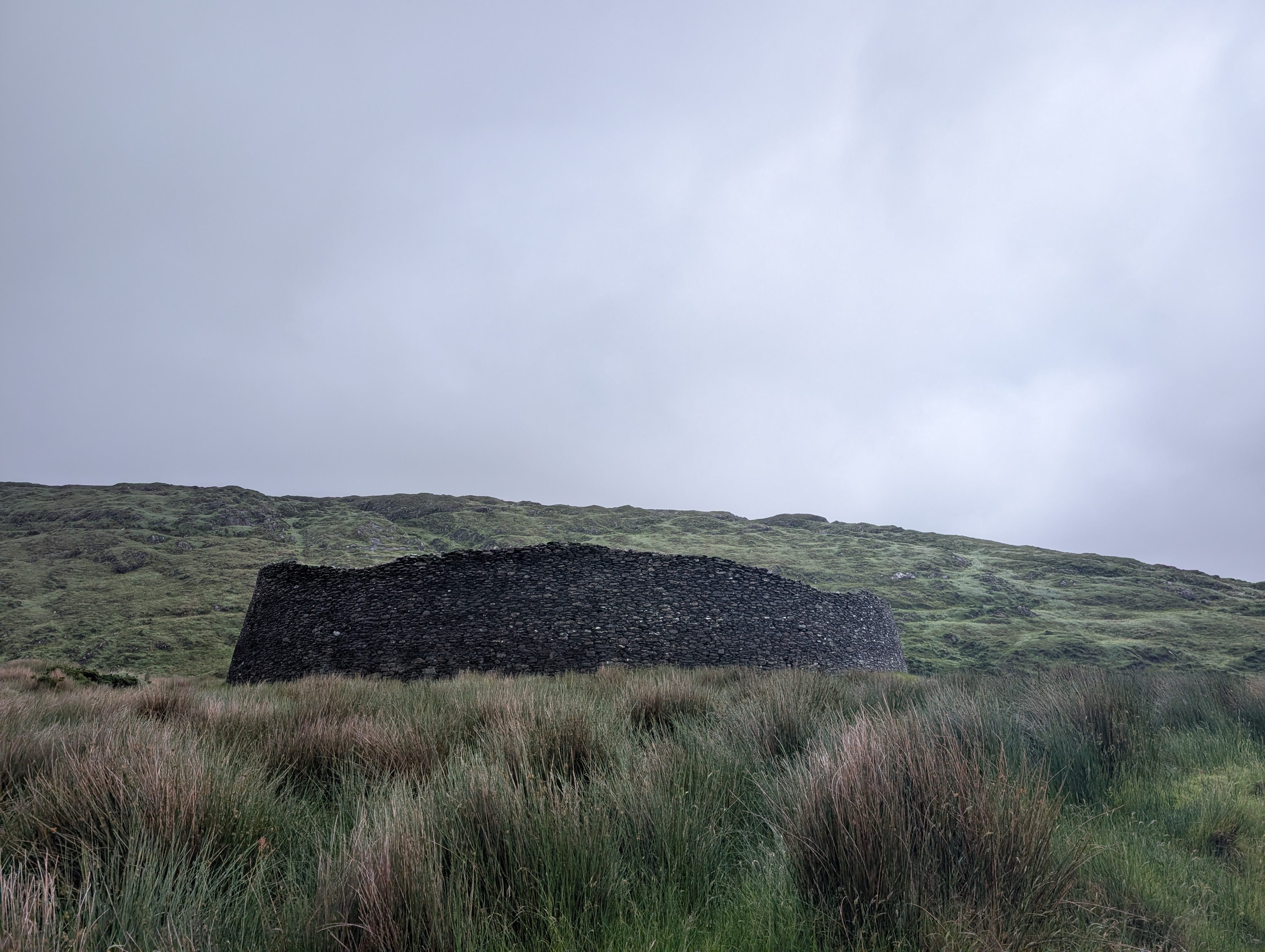
And while the solitude produced something valuable, for me this trip also underscored that people need people. One memorable moment was at Staigue Fort with two other artists, discussing how remarkable it was that we could all take in the same scene, the same history, and make three entirely different works of art from it. I’ve always believed ideas should be free, not guarded — and I especially lean into this as a writer.
Your creative concept is not the lottery ticket. You are. Everything we bring to the page is coloured by our experiences, and so it will always be unique from the next person’s version of the same idea. Ideas aren’t sacred, but choosing to go ahead and make something of them is. We don’t create in a vacuum. We build art from conversations in a candlelit stone cottage overlooking the sea. From road trips taken on a “soft” day — Irish for a misty whiteout that doesn’t quite qualify as fog — to scout out old stone structures.
And somewhere in cottage #4, there is a note I left for the next resident, held fast between the stones. I hope they find it.